
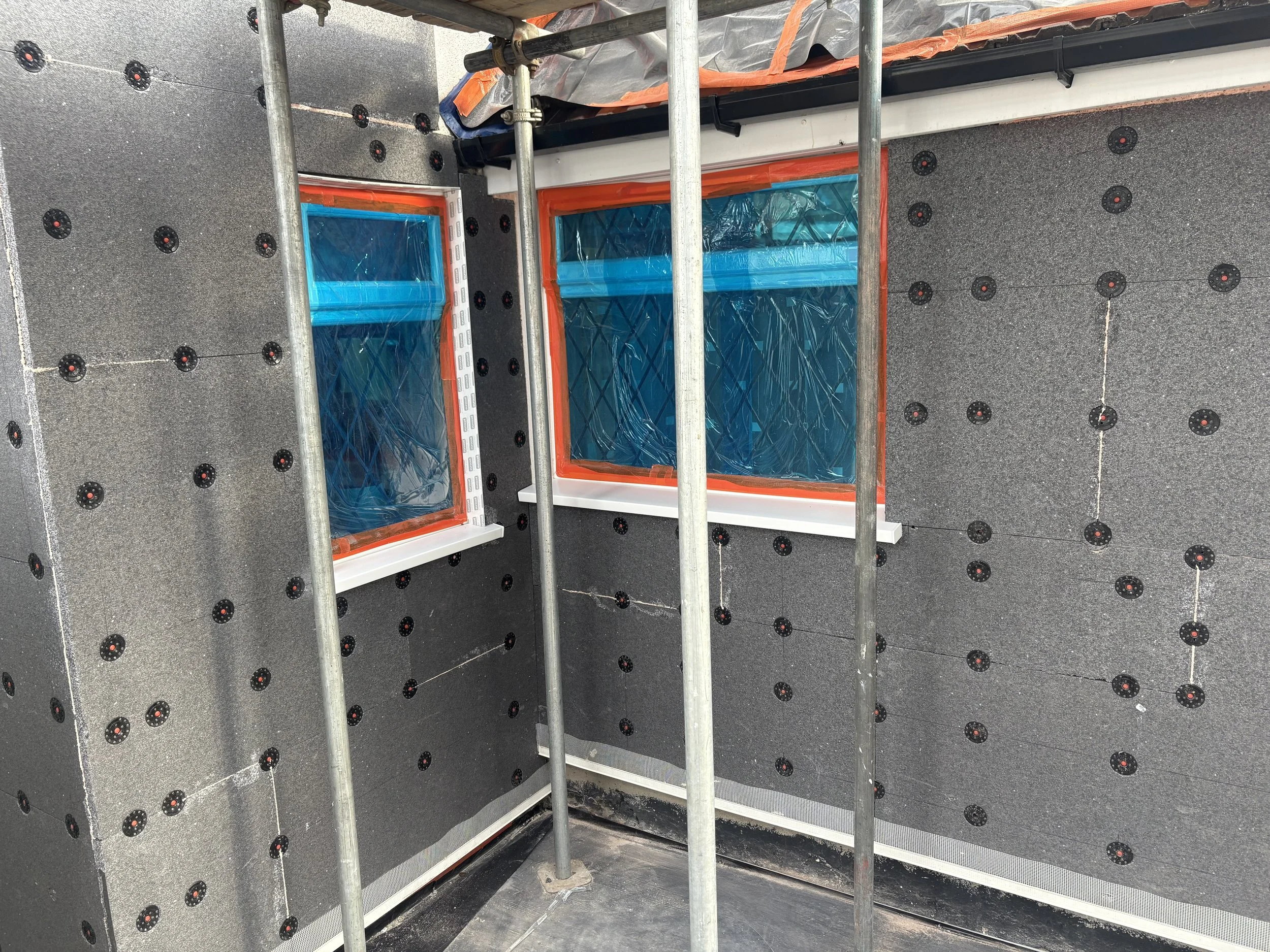
Render types compared
A clear guide to understanding the main exterior render systems used in the UK.
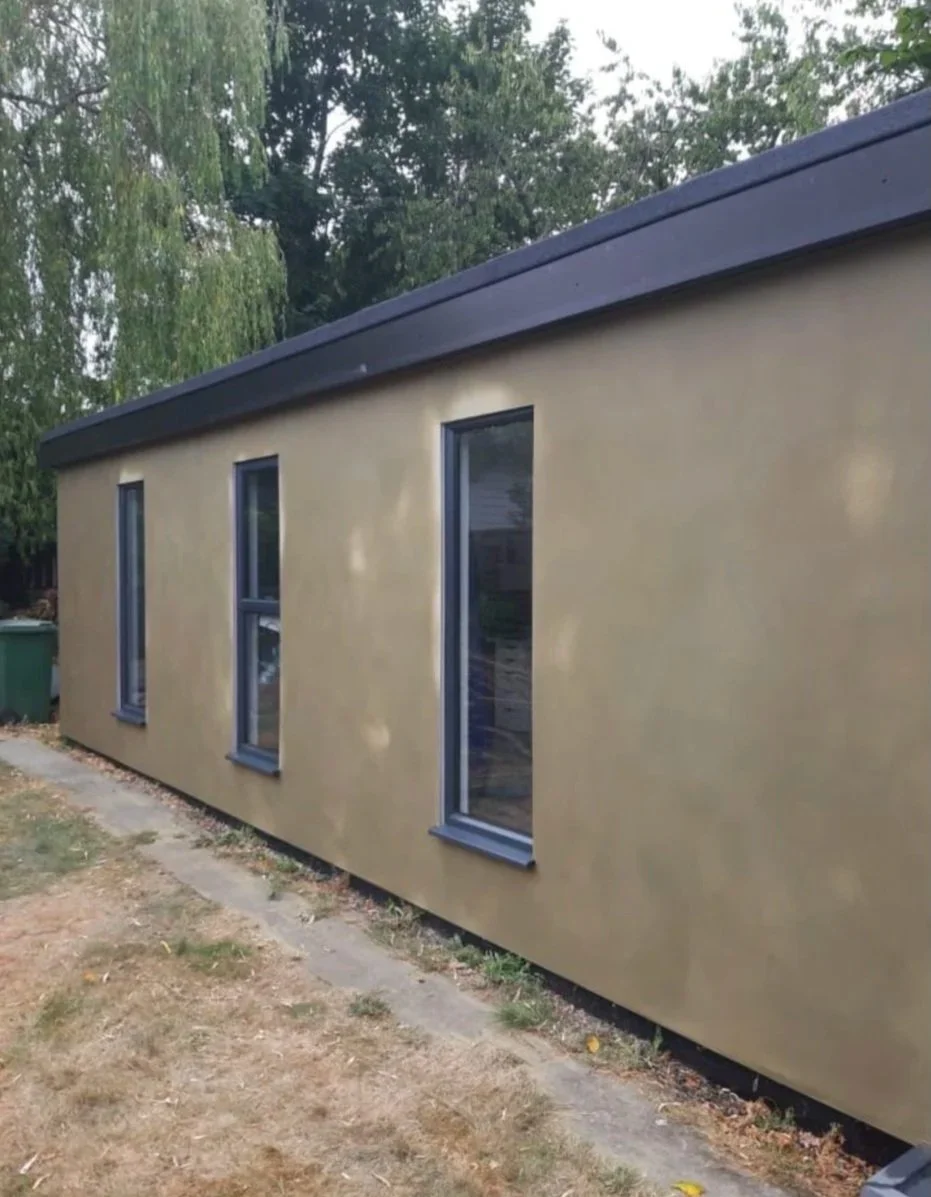
Traditional Sand & Cement Render
Strong, impact-resistant and familiar, but rigid.
Because it cannot cope well with movement, cracking is common over time, especially on older walls. It is less breathable than modern systems, which means trapped moisture can cause long-term damp. Mix quality varies because it’s prepared on site. As it ages, hollow patches or loose areas often appear.
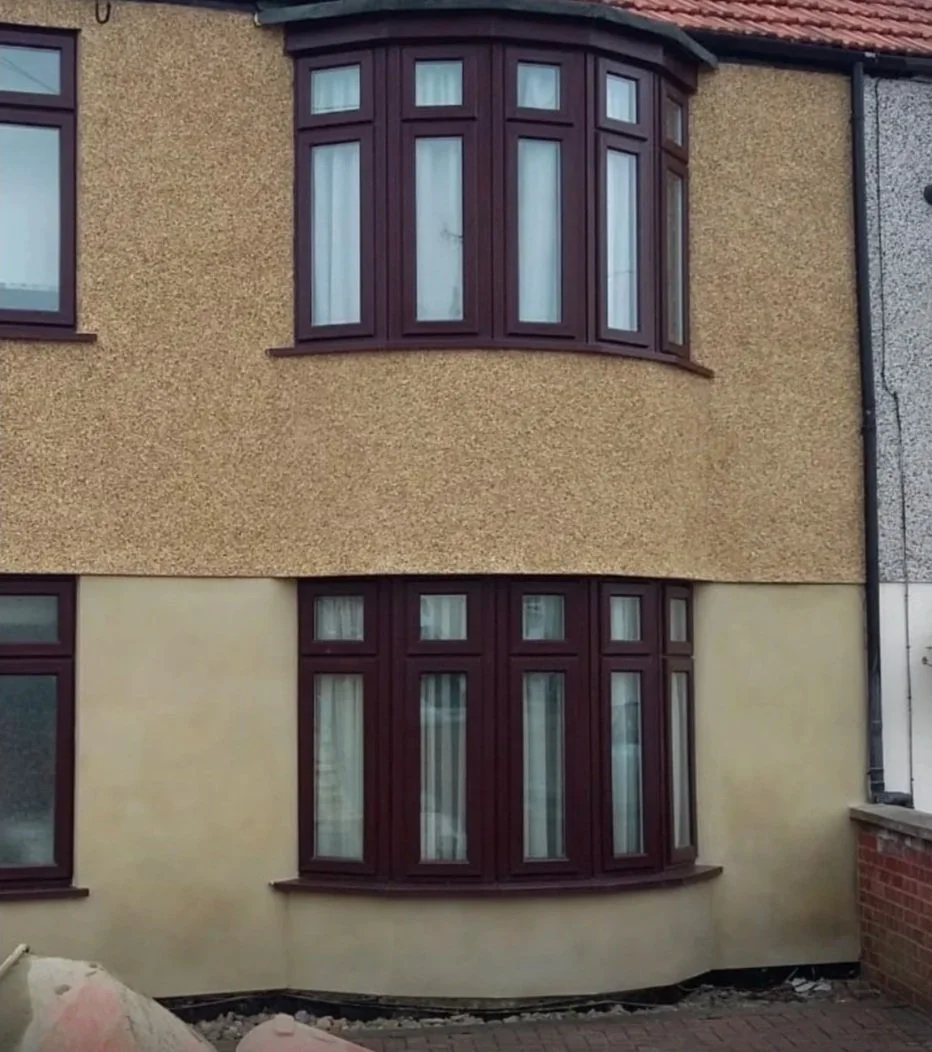
Pebbledash
Uses sand and cement as a backing coat with stones thrown onto the wet surface. It is extremely tough and handles heavy rain well. However, it’s heavy, inflexible and prone to algae growth because of its rough texture. When failure begins, sections tend to drop away rather than crack gradually. Recoating and repainting are difficult due to the uneven profile.
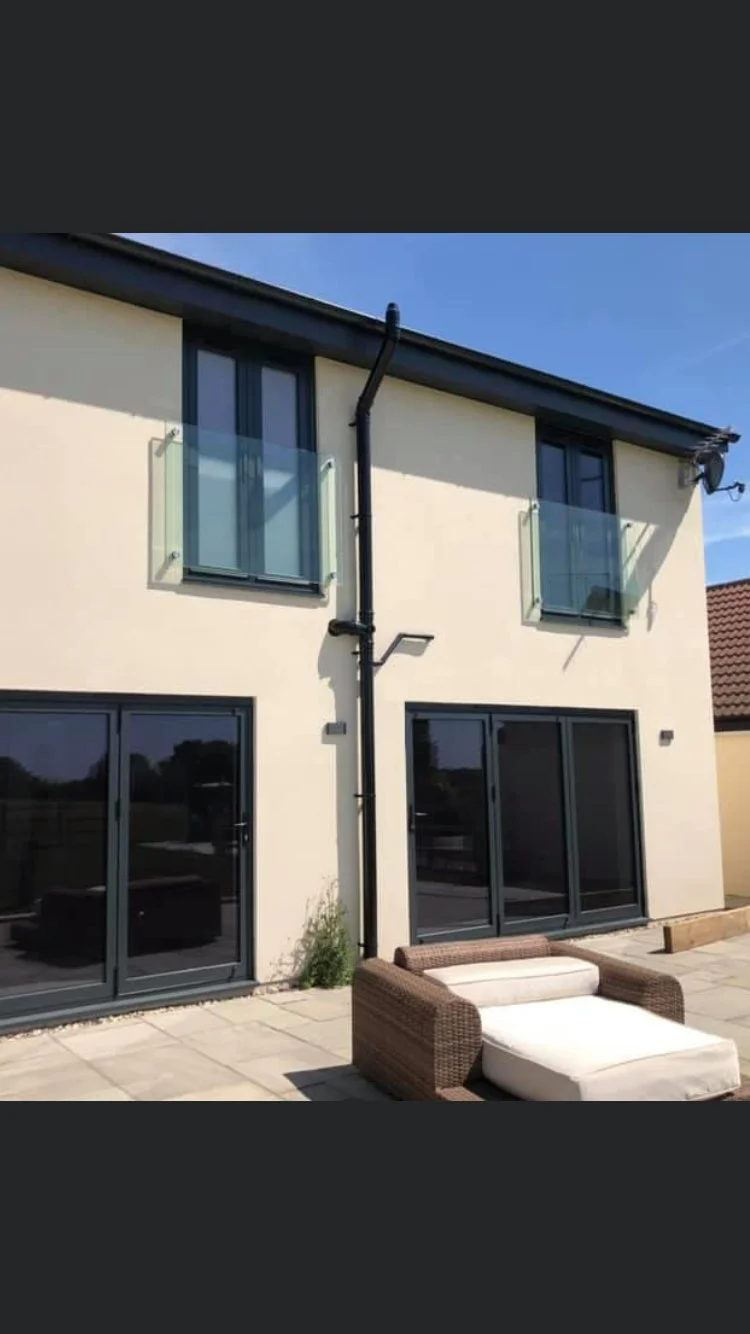
Monocouche Render
A pre-bagged, factory-controlled cement render, giving far better consistency than traditional mixes. It provides a clean, modern scraped finish and is breathable compared to sand and cement. Still, it remains relatively rigid and can crack under structural movement. It also absorbs more water than silicone render, which may lead to staining or biological growth if not maintained.
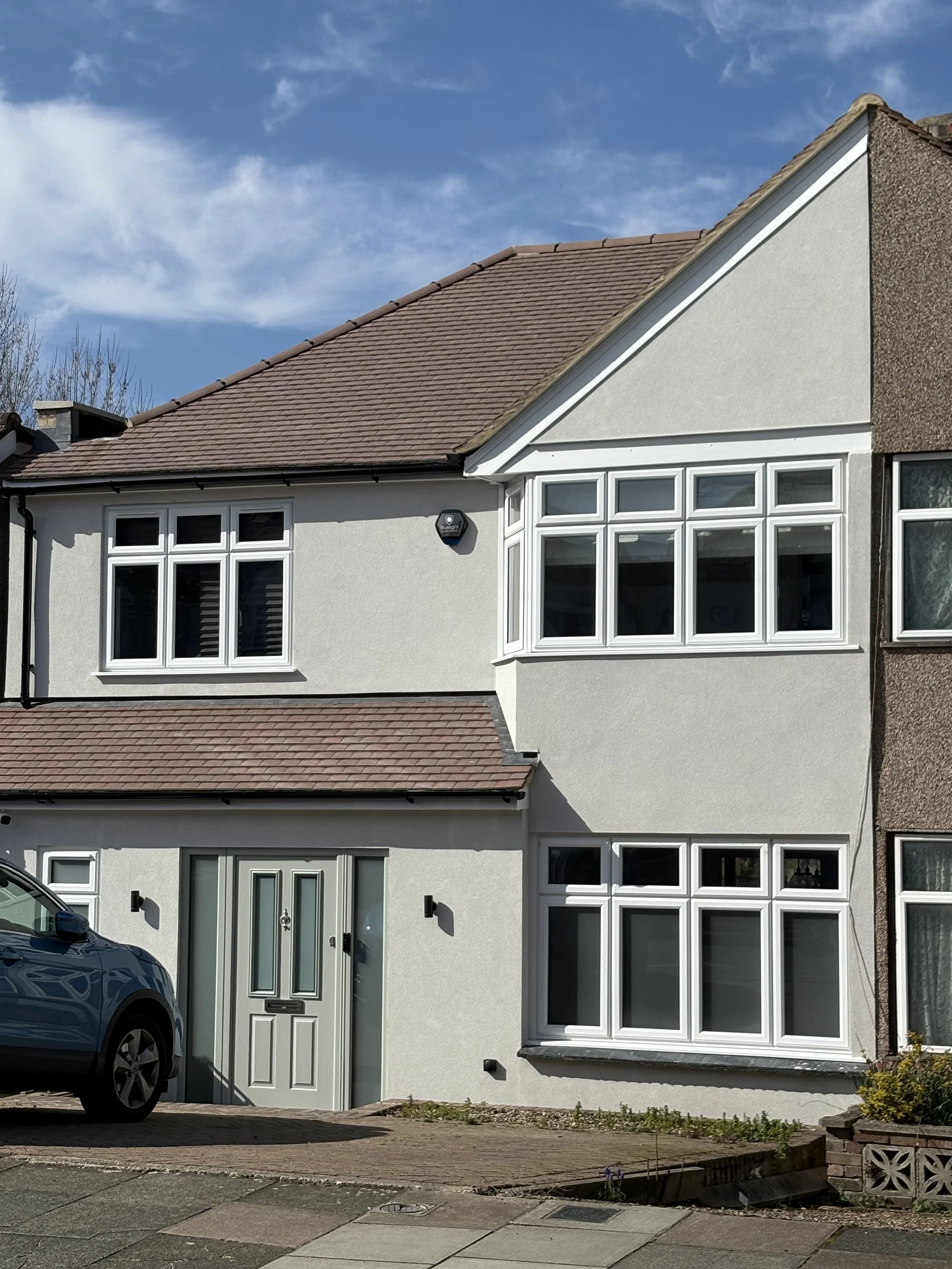
Acrylic Render
A thin-coat system with good flexibility that copes well with thermal movement. It relies heavily on a stable basecoat and can’t hide uneven masonry. Water-resistant but less vapour-open than silicone. It can soften in heat during drying, increasing the risk of dirt retention.
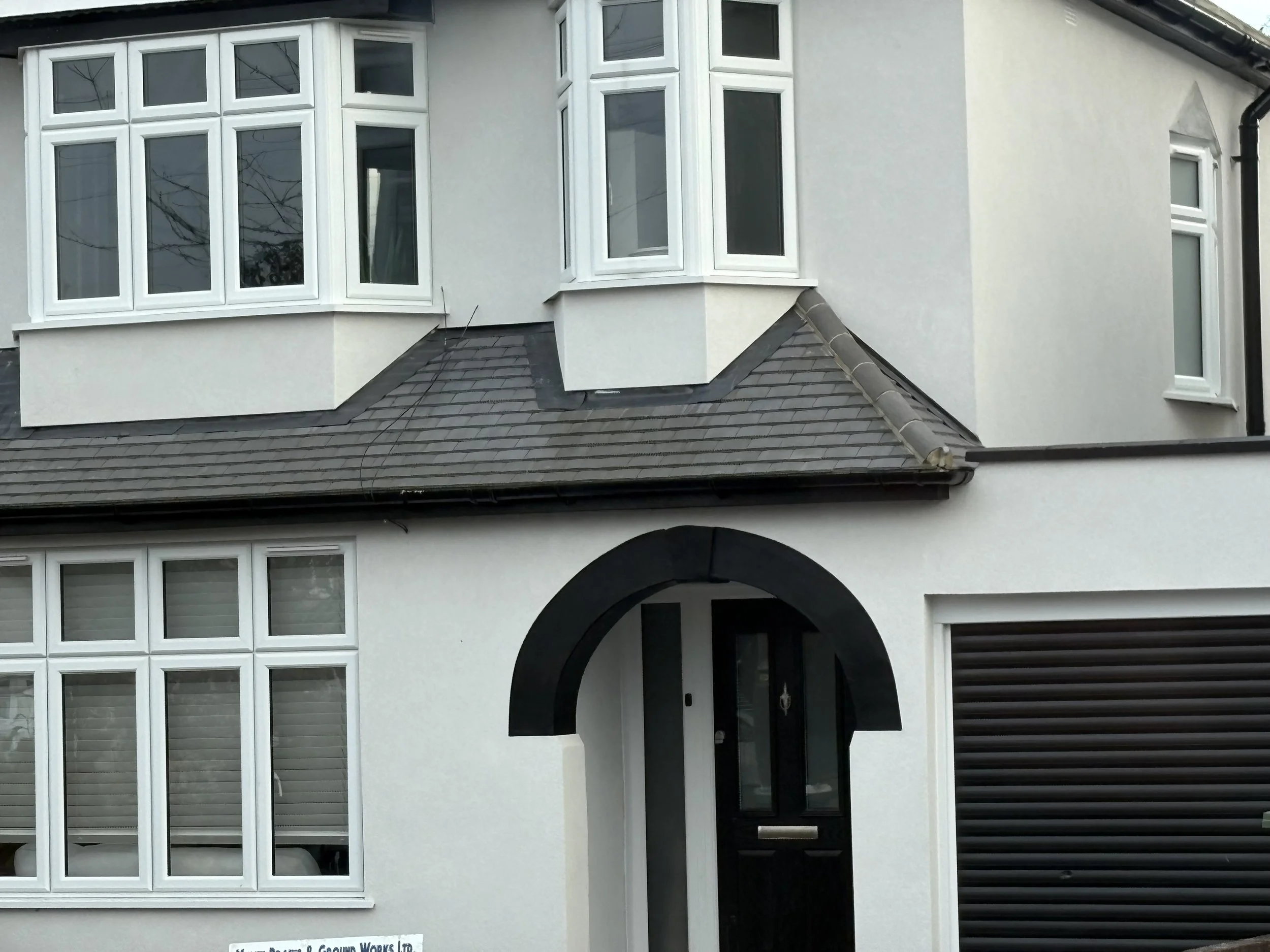
Silicone Render
One of the most advanced systems available.
Highly flexible, hydrophobic, UV-stable and fully vapour-permeable, it sheds rain efficiently while still allowing the wall to breathe. Many systems feature self-cleaning and algae-resistant technology. It performs exceptionally well in wet climates and coastal environments and remains clean and colour-stable long-term when installed over a solid reinforced basecoat.
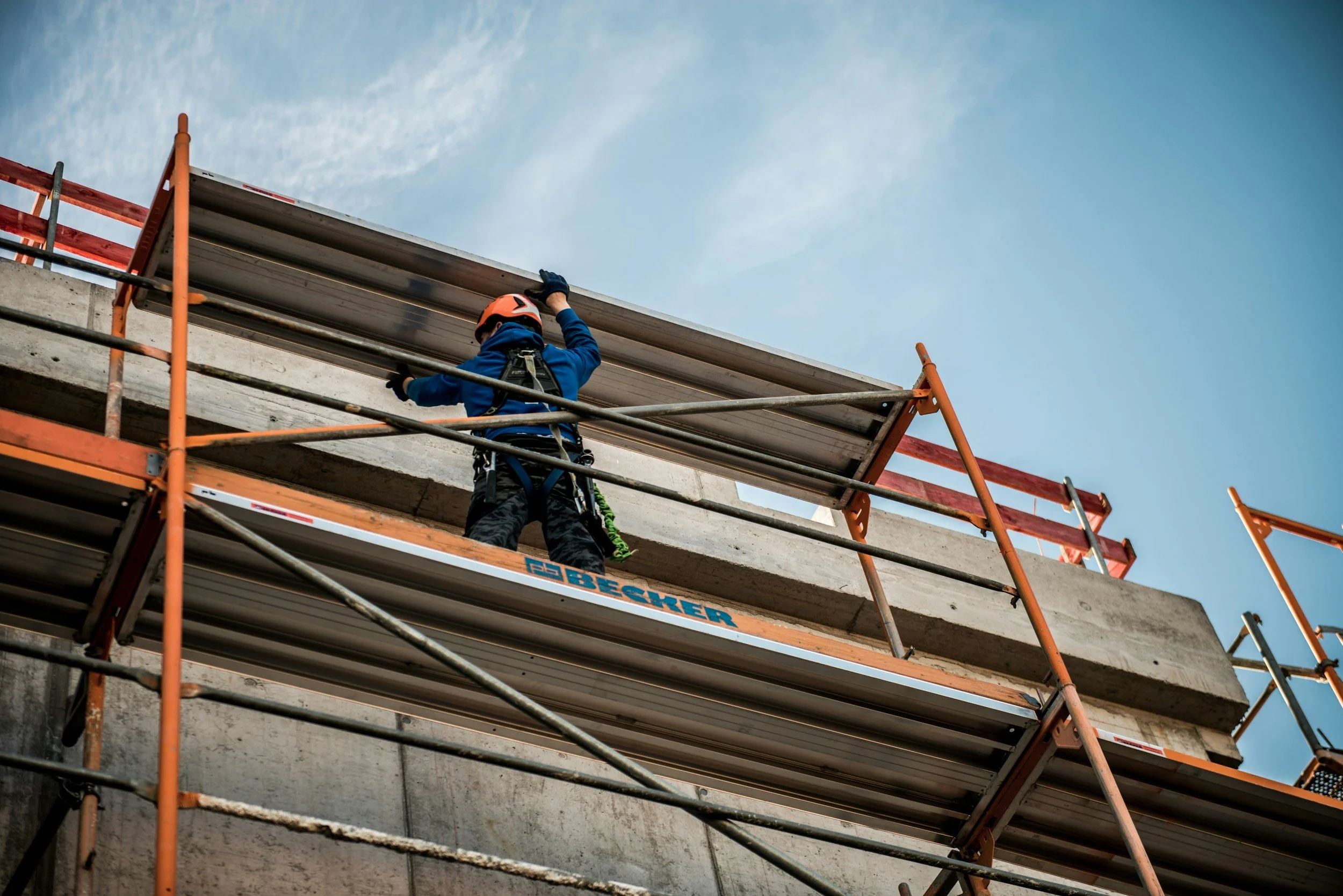
Mineral & Lime-Based Renders
Breathable and ideal for older buildings. They allow moisture to escape naturally, preventing salt build-up and damp within solid walls. However, they are softer and more prone to erosion, staining and wear. They generally require more maintenance unless paired with a protective topcoat.
Overall summary
-
Silicone render
The best all-round performance — flexibility, weather resistance, breathability and cleanliness.
-
Acrylic
Flexible but less breathable.
-
Monocouche
Clean and modern but more rigid.
-
Sand and cement
Strong but brittle and moisture-restrictive.
-
Pebbledash
Durable but heavy and hard to maintain.
-
Lime/mineral renders
Ideal for historic buildings, but they need more upkeep.

Not sure which render is right for your home?
We can inspect your property, explain your options clearly and recommend the best system for long-term performance.